





a
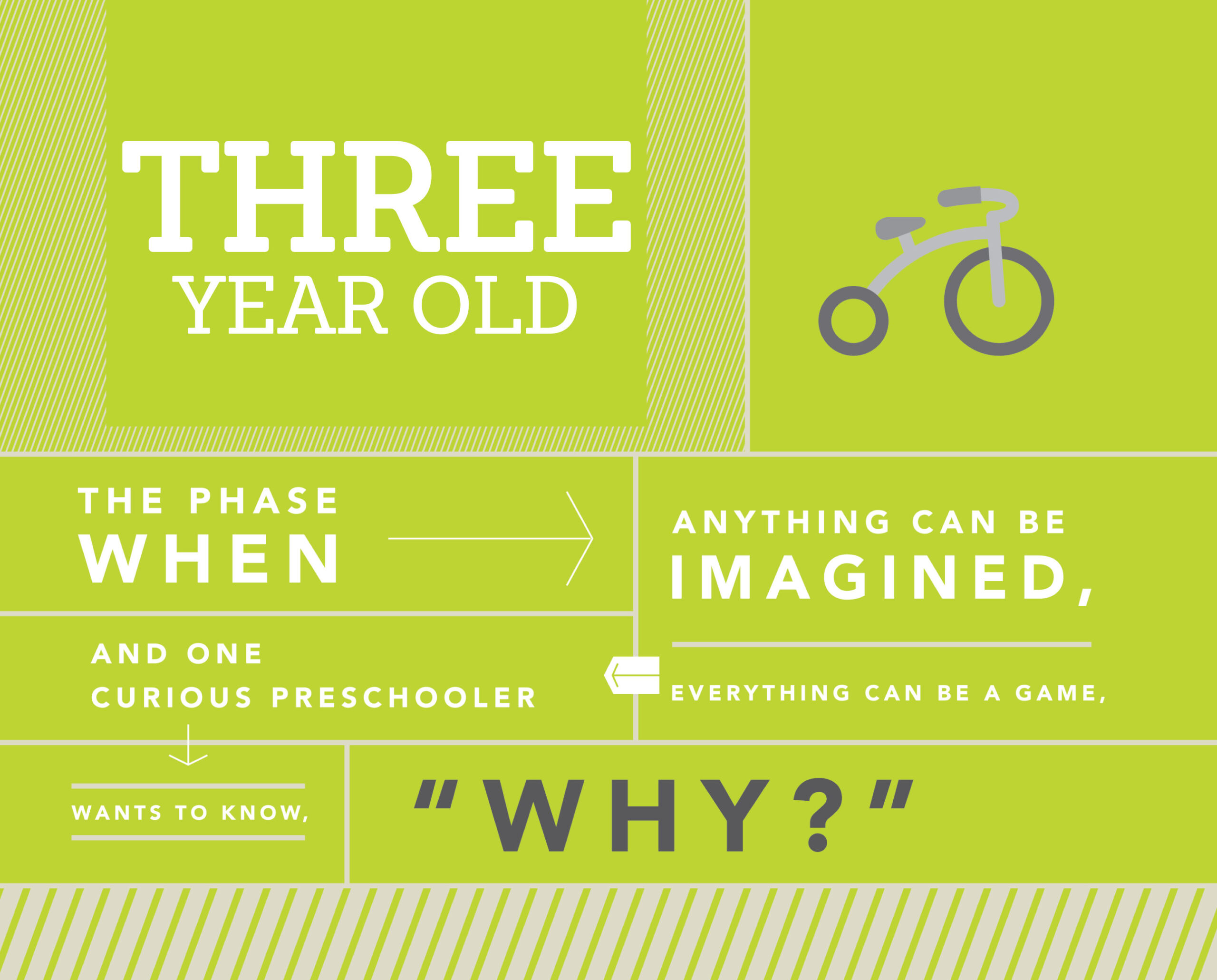
So your child is a three-year-old now!

(Or as we like to call them, “threenagers”!) You’re now entering a season of increased independence, refined gross and fine motor skills, and your rapidly growing three-year-old can sometimes seem like a mini-adult. We know this stage can feel overwhelming, so here are some things that we think can help. Just remember, every child is different so try not to compare your experiences with those around you!

One question we believe almost every three-year-old is asking is, "Is what I'm feeling okay?" At three years old, your child is finally starting to get a better grasp on how things work in the world around them. Their newly developed movement and speech skill set is not yet fully matured and this can sometimes lead to frustrations and more temper tantrums than you’re used to. You may start to hear “baby tourettes” at this age as your kiddo becomes more interested in bathroom humor and potty words—think “poopy head!” Kids learn about how to properly express their feelings through social interactions, especially with parents and caregivers, so it’s important to provide a safe space where you can validate big feelings. Remember, God made emotions; they aren’t bad!

Fostering emotional security is critical for your three-year-old so that they know that what they're feeling and experiencing is okay.

One way you can do this is by talking to them about your own emotions, and describing your own happiness, sadness, anger, etc. Practice makes perfect, so the more you use emotion-specific language, the better your kid will get at recognizing their own feelings and being able to express them to you.

When your child is really upset, it is hard to discuss what is happening. Doing a “time-in” may be a great way to redirect and calm down. In a quiet space, lay out a puzzle or blocks to practice stacking or ask them to go bounce on a mini trampoline. Once the task is complete, come back together to talk about their feelings.

Simply validating our child’s feelings will help them feel understood and heard. This is a great time to pray with your kids and teach them that even in the midst of our big emotions, God is always with us and that we can turn to Him in prayer when we need encouragement.

Ways Your Child is Changing.

PHYSICALLY

  • Motor, sensory, and language skills continue to grow at a fast rate.
  • Starts to tiptoe, master stairs, run and jump easily, and maybe ride a tricycle.
  • Uses utensils while eating.
  • Uses fine motor skills, like stacking blocks.

SOCIALLY

  • Begins to share toys.
  • Starts playing with peers versus beside them.
  • Enjoys helping with simple household tasks.

MENTALLY

  • May confuse reality and make believe.
  • Communication development is especially important at this stage.
  • Develops source memory, which is the understanding of where and when they learned something.
  • Starts asking, “why,” “what,” “when” questions.

EMOTIONALLY

  • Expresses a wider range of emotions.
  • Separates from their caregivers more easily.
  • Shows concern and affection for others without being prompted.

The Three Most Important Things to Remember.

If you would like help or ideas on how to do any of these things, we are always here to help!

Resources We Recommend.

Books.

If you’re unable to afford any of these resources, please let us know—we’d love to help!
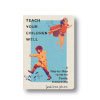
Teach Your Children Well
This book gives a brilliant, effective and yet simple perspective on how we can help our kids form a deep relationship with Jesus. This is for all of us imperfect parents with limited time and capacity.
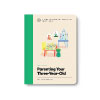
Parenting Your Three-Year-Old
This book will very practically provide you with resources on how to build a home filled with joy and peace. It includes useful skills and stories for every stage of development.
Hope for the Weary Mom
It’s easy to fall into disconnectedness with God when you’re knee deep in kid laundry and daily life messes. This book helps to reconnect Jesus’s heart for you and allows Him to meet you in your mess and remind you that you are not alone.
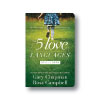
The Five Love Languages of Children
This book teaches you how to discover your child’s love language so that you may speak it and build stronger bonds and relationships with your kids.
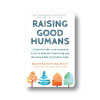
Raising Good Humans
A great book with many useful skills to be mindful of your own stress responses while parenting. This book speaks on when children have parents who react with kindness and respect that they then learn to act with kindness and respect.
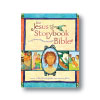
The Jesus Storybook Bible
A beautifully illustrated Bible containing easy to understand stories from the New and Old Testament that point to Jesus as our Savior.

Podcasts/Websites.

Raising Good Humans Podcast
Each episode goes deep, but manageable with experts and parents to share the most effective approaches and tools and talk about the important bigger picture of raising good humans.
Let's Parent on Purpose Podcast
A weekly podcast designed to strengthen your marriage, parenting, and personal relationship with Jesus.
Parent Cue Blog
This website is crammed with tons of articles on many subjects with practical helpful advice.
Hi, I'm JB Walker!

I’m the Director of Early Childhood Ministries where I lead the ministry for the littlest members of Christ Community. I went to college to be a high school teacher, but once I became involved with Tiny Tots, it was clear this was the path God had me on. Connecting weekly with families and seeing the joy on our kids’ faces as they enter “their” church fills my heart. If you have any questions or needs, I would love to connect.

Tiny Tots is for children ages birth–preschool and meets during every weekend adult service time.  In addition, Tots Club meets most Wednesday mornings during the school year from 9-11 am.